Category: Institutions
Region: Mexico
Year: 2008
Location: SAN LUIS POTOSI, SAN LUIS POTOSI, MEXICO
FT2 Construction: 96,875 sq ft
FT2 Ground: 699,654 sq ft
Involved Areas: Architecture, Interior Design
Collaborators:
LEGORRETA®
Ricardo Legorreta
Víctor Legorreta
Noé Castro
Miguel Almaraz
Adriana Ciklik
Carlos Vargas C.
David Figueroa
Consultants:
MUSEOGRAPHY AND EXHIBITIONS: Papalote • Museo del Niño
STRUCTURAL DESIGN: Colinas de Buen
ELECTRICAL DESIGN: Cien Acres
LIGHTING: Arquitectura de la Luz
HVAC: DYPRO
PLUMBING DESIGN: GMA
LANDSCAPE ARCHITECTURE: Luis Zarate / Saúl Alcántara / Alejandro de Ávila
Photographer:
Allen Vallejo
Cortesía del Estado de San Luis Potosí
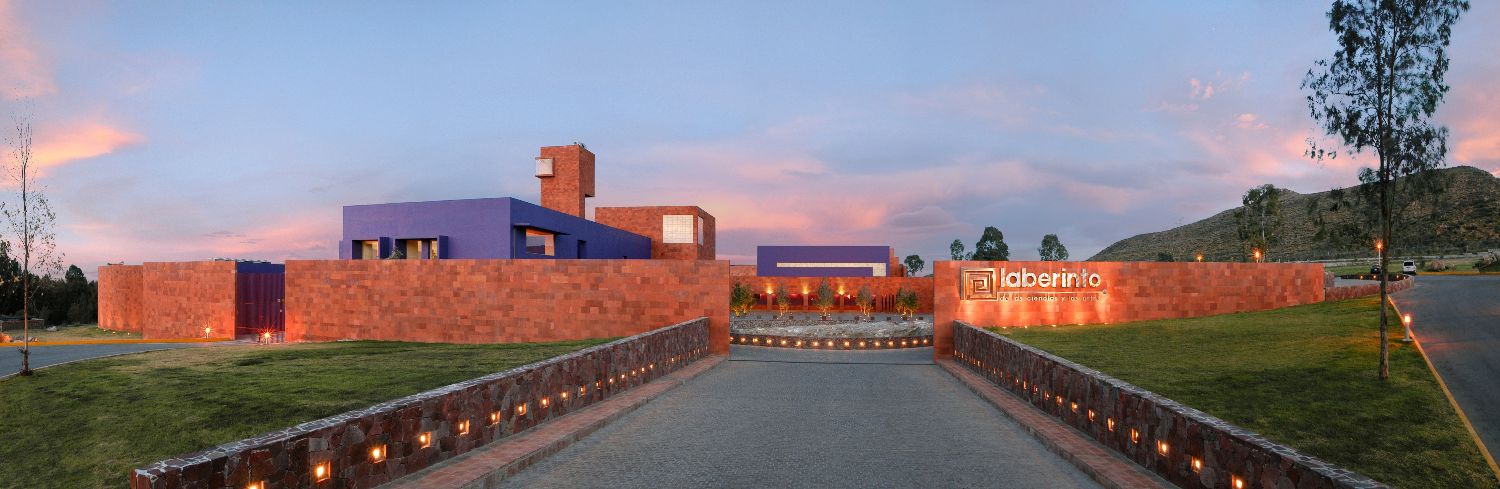
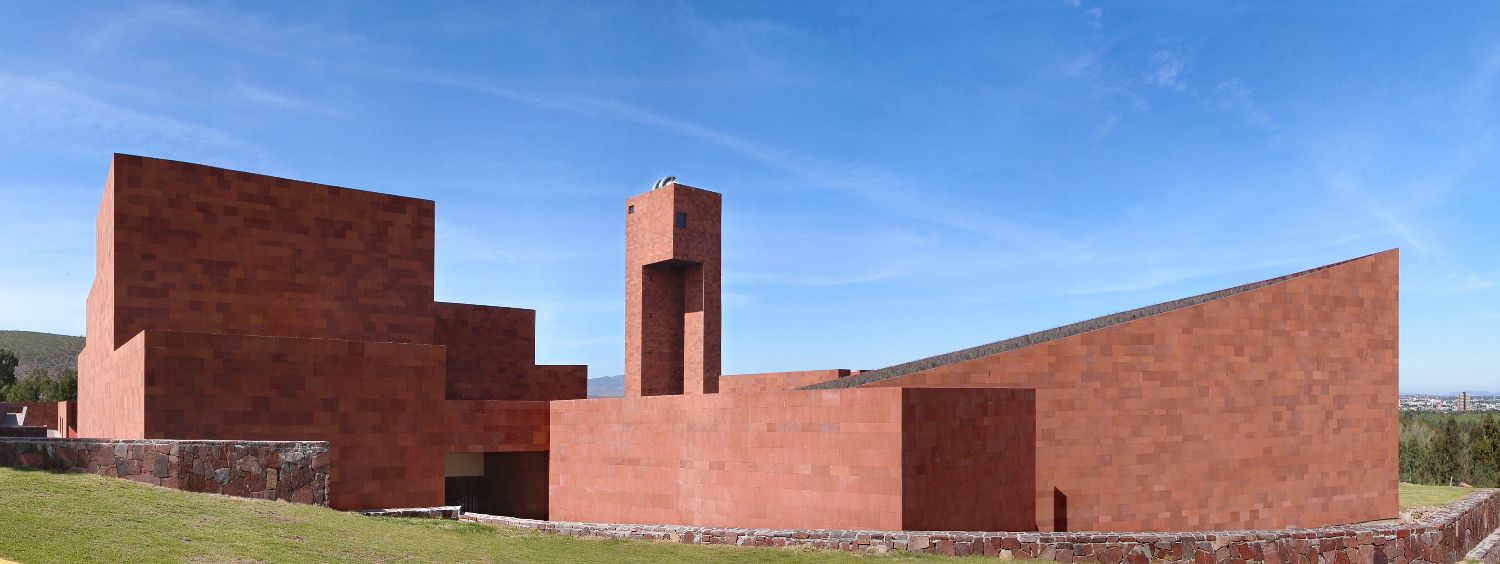
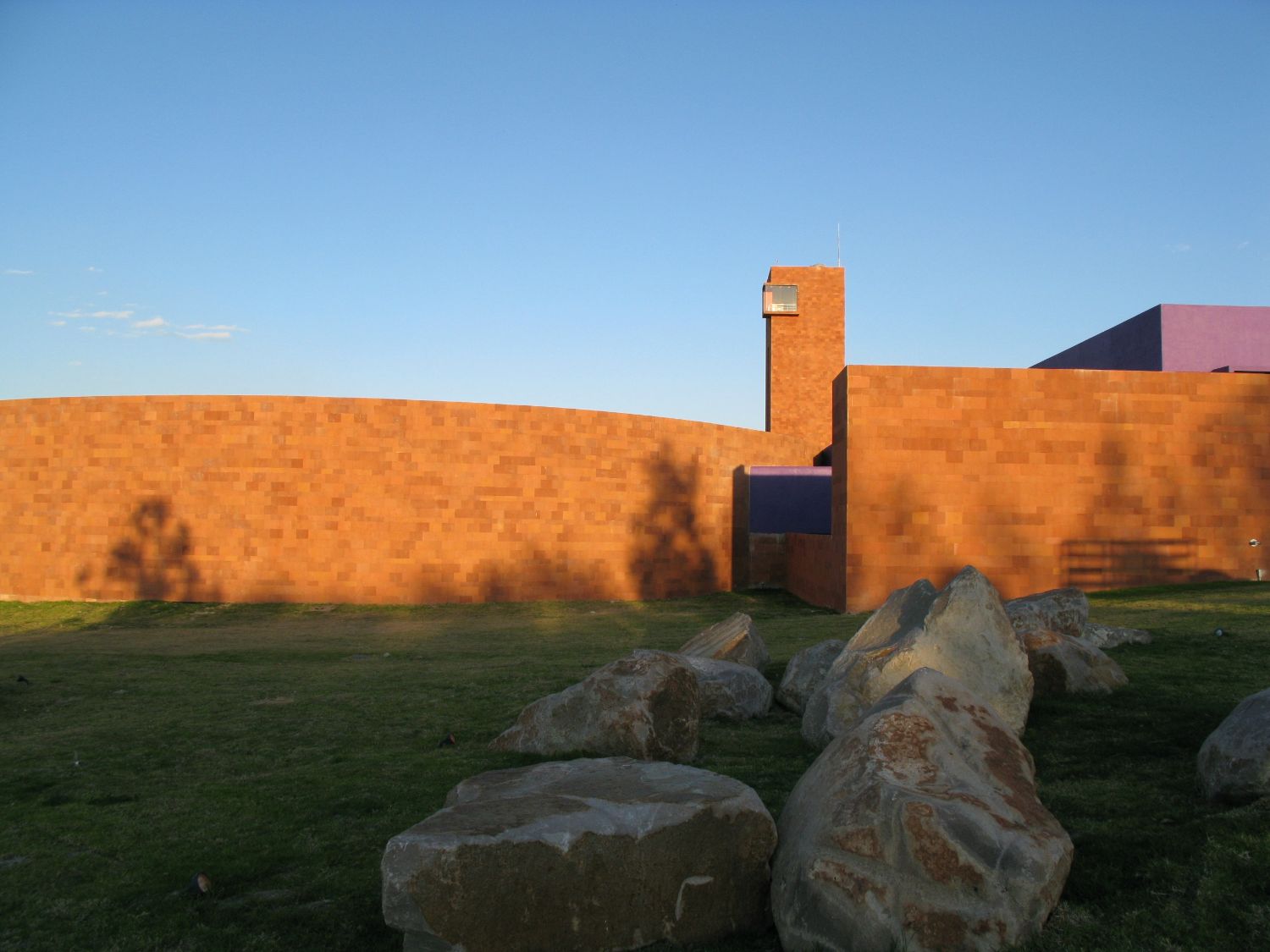
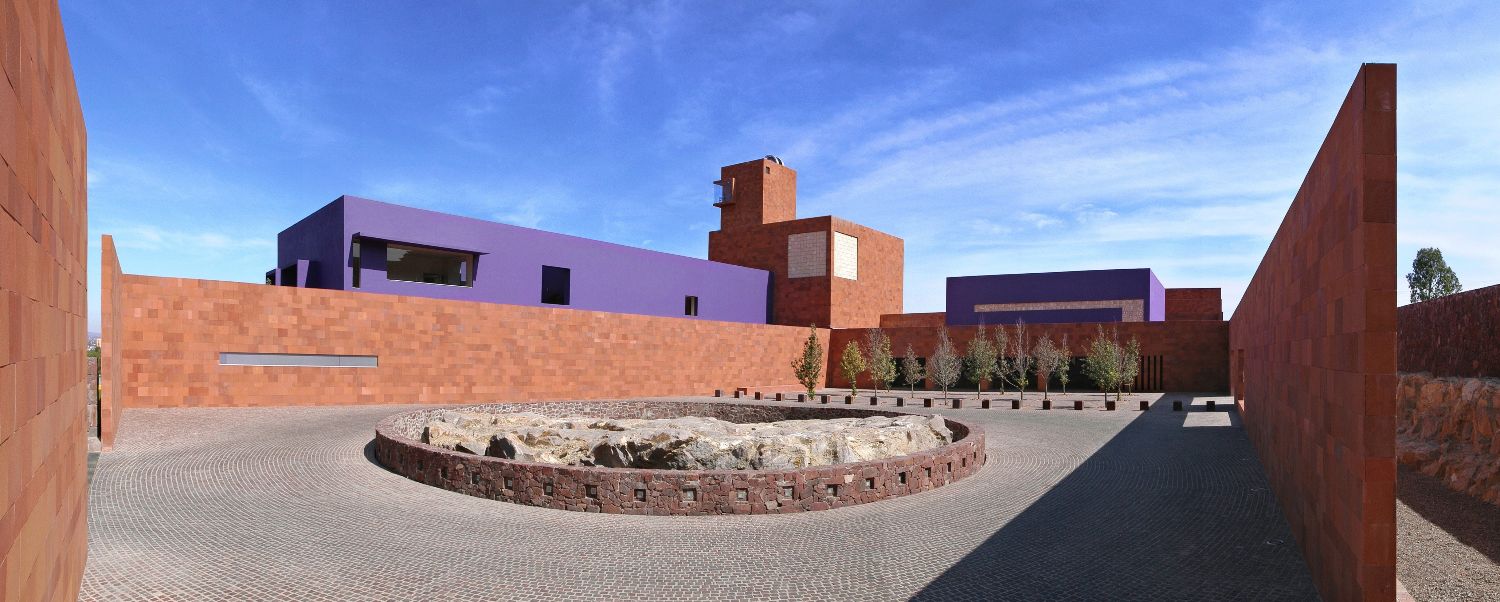
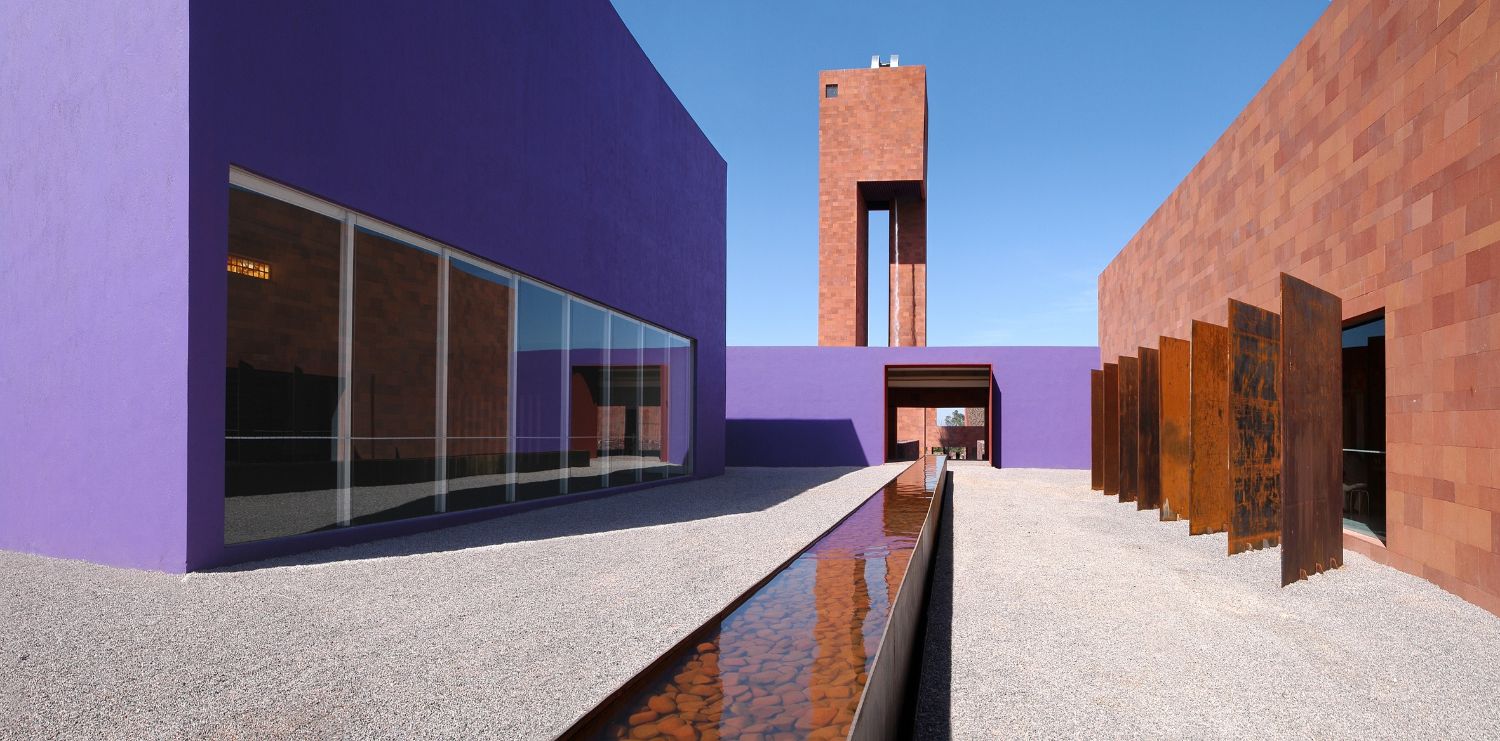
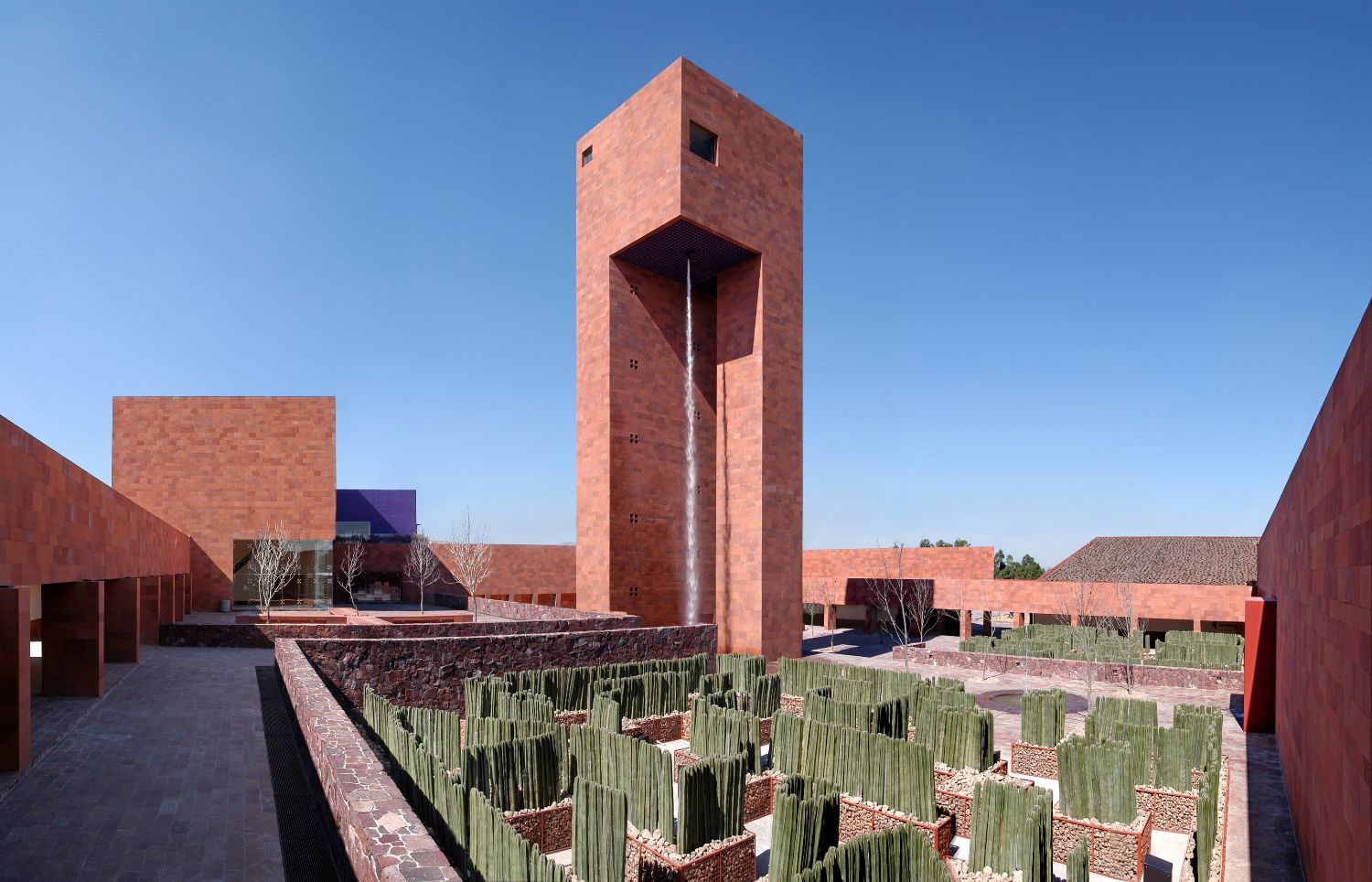
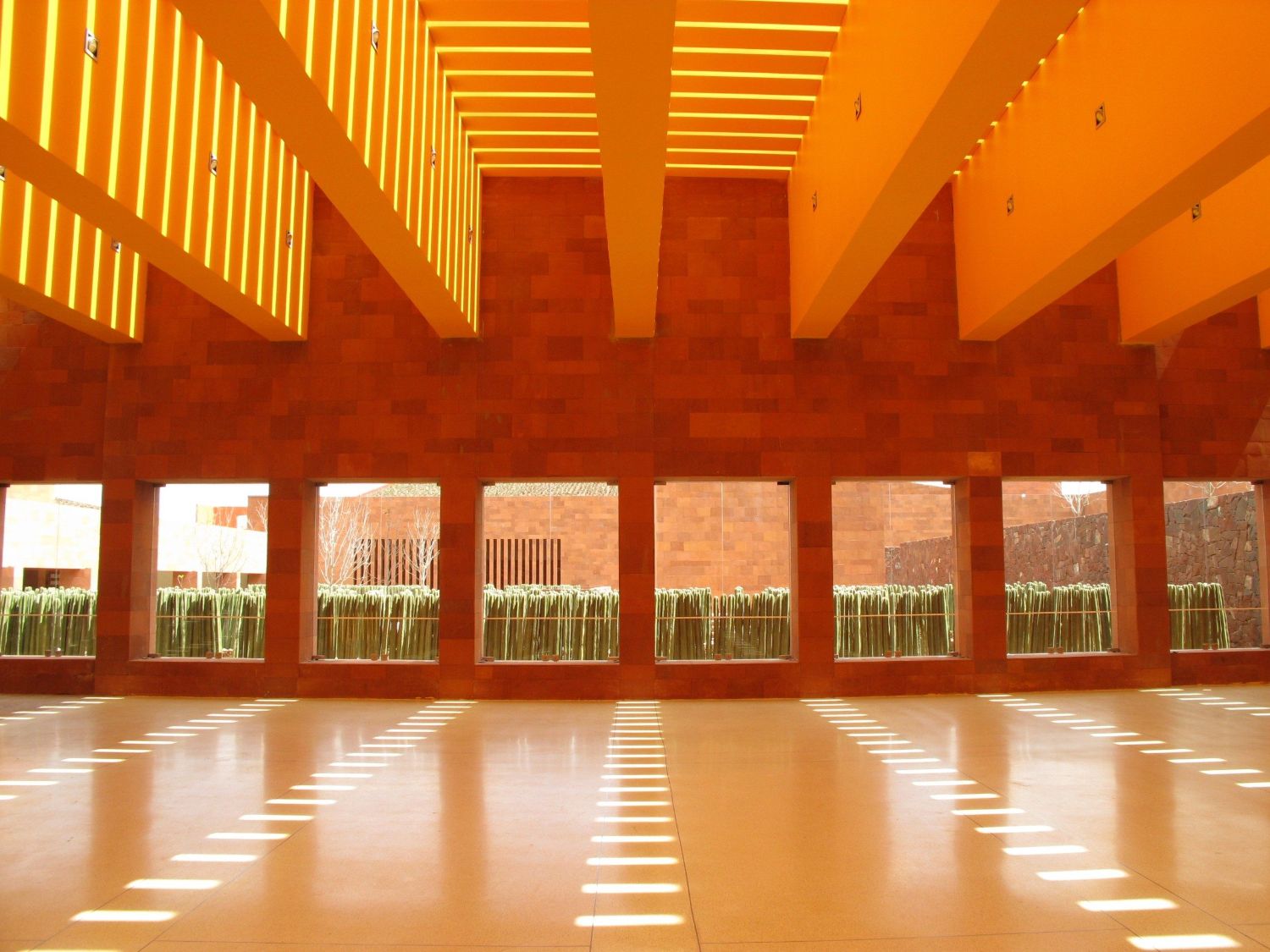
Through a monumental courtyard full of lush vegetation, visitors are driven to the place through a complex relationship of doorways that lead to a majestic central courtyard. In this space, the desert vegetation comprises a labyrinth that generates different trails full of mystery, livening up the visitor while walks through the different courtyards, terraces and interactive rooms. The museum, having different shapes and orientations, offers a very distinctive personality and atmosphere. In addition, the Museum route crosses from a traditional experience and becomes a versatile and educational experience with interactive resources. A tall tower stands as the center piece of the project. Located in the central courtyard, it offers panoramic views of the context and the city of San Luis Potosi and hosts an astronomical observatory that grants visitors the opportunity to understand more about the world that surrounds them. Natural light, gardens and outdoor spaces are key design elements that encourage integration with the park through outdoor activities such as workshops in the uncovered Auditorium. Thus, an indivisible relationship between architecture and the natural environment is established. Since the maintenance of long-term interactive is costly, design was performed looking to save as much as possible on its future operation. One more way to save resources when the museum is operating is the ecological model on which the building was designed employing cross ventilation in buildings. Coating walls and using stone pavements of the state of San Luis Potosi, the sustainable sense of the project is reinforced. The roofs have been treated as gardens, using a regional plant palette in order to establish a strong link with the natural environment. So, with all these considerations, the Museum design results in a building belonging to their environment and local culture without fads or stridency.
RELATED NEWS