Category: Living Complex,Institutions
Region: North America
Year: 2001
Location: CHICAGO, ILLINOIS, U.S.A.
FT2 Construction: 242,188 sq ft
FT2 Ground: 0 sq ft
Involved Areas: Architecture, Interior Design
Collaborators:
LEGORRETA®
Ricardo Legorreta
Víctor Legorreta
Noé Castro
Miguel Almaraz
Adriana Ciklik
Carlos Vargas C.
Victor Figueroa
Xavier Sánchez
Associate Architects:
ARQUITECTO EJECUTIVO: VOA Architects Inc.
Consultants:
STRUCTURAL & HVAC DESIGN: Primera Engineers LTD
INSTALLATIONS DESIGN: Rubinos and Mesia Engineers
MECHANICAL DESIGN: Primera Engineering LTD.
LANDSCAPE DESIGN: Sasaki Associates Inc.
CONTRACTOR: Pepper Construction Company
COST ESTIMATOR: Pepper Construction Company
COORDINATOR: The RiseGroup LTD
Photographer:
Lourdes Legorreta
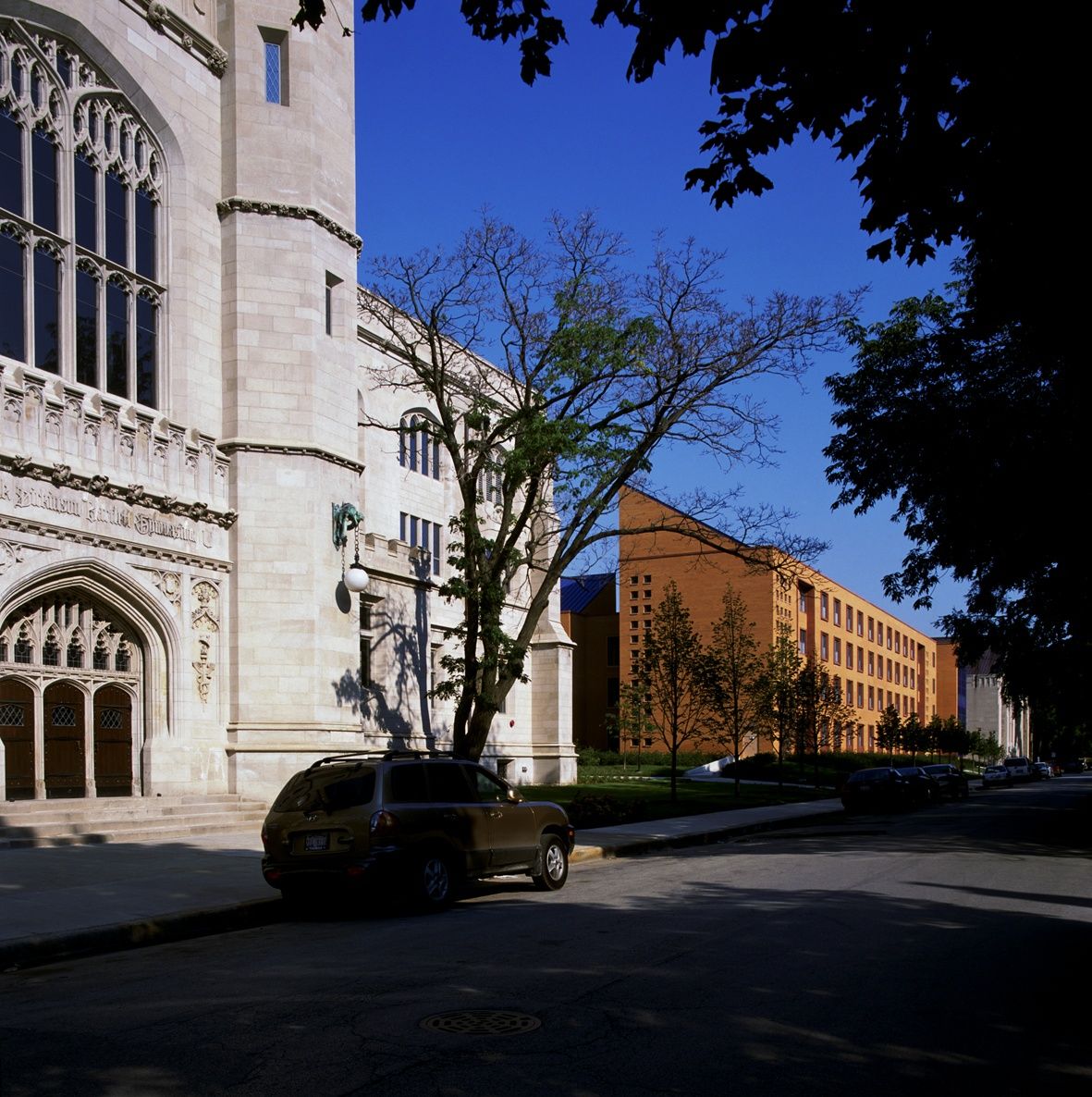
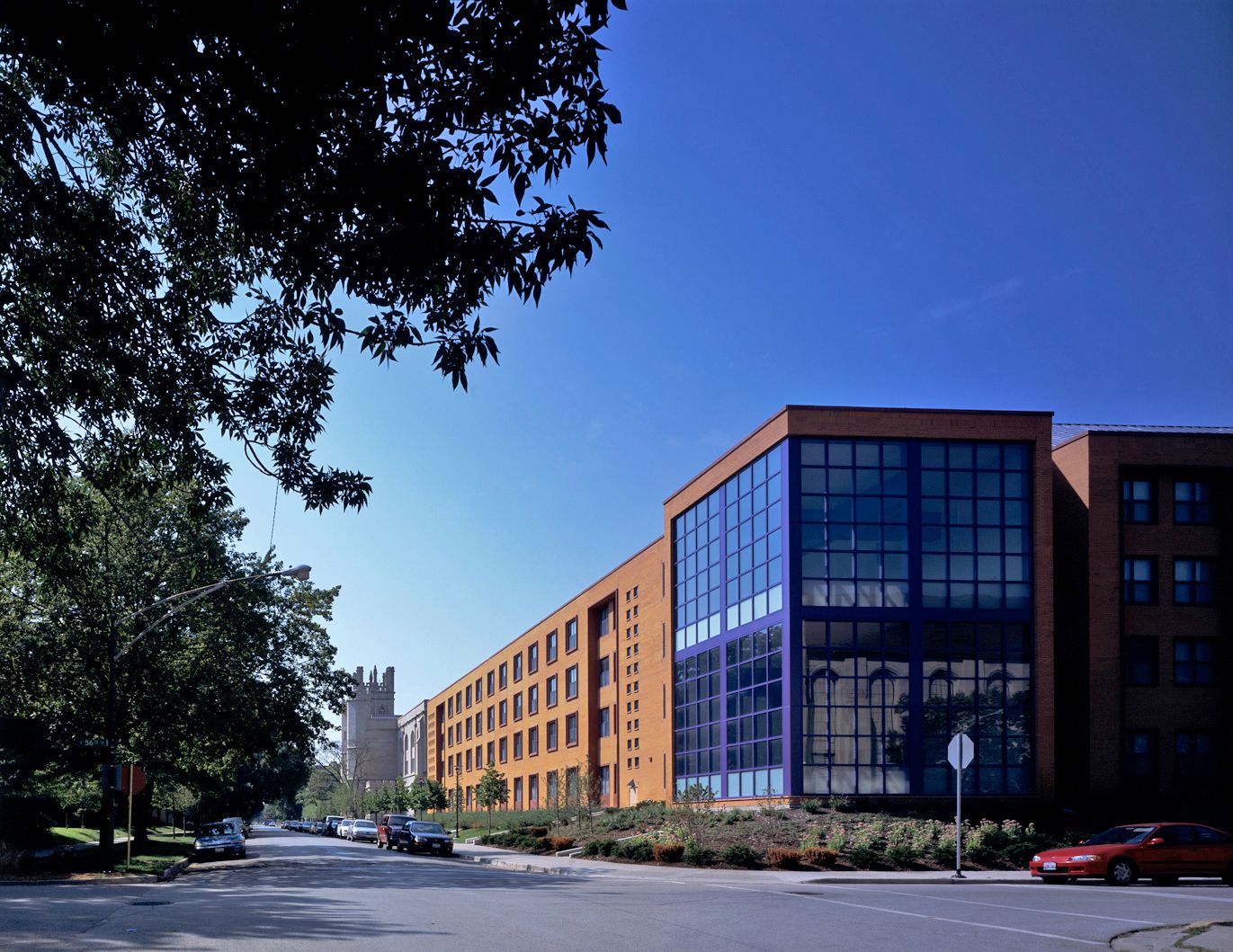
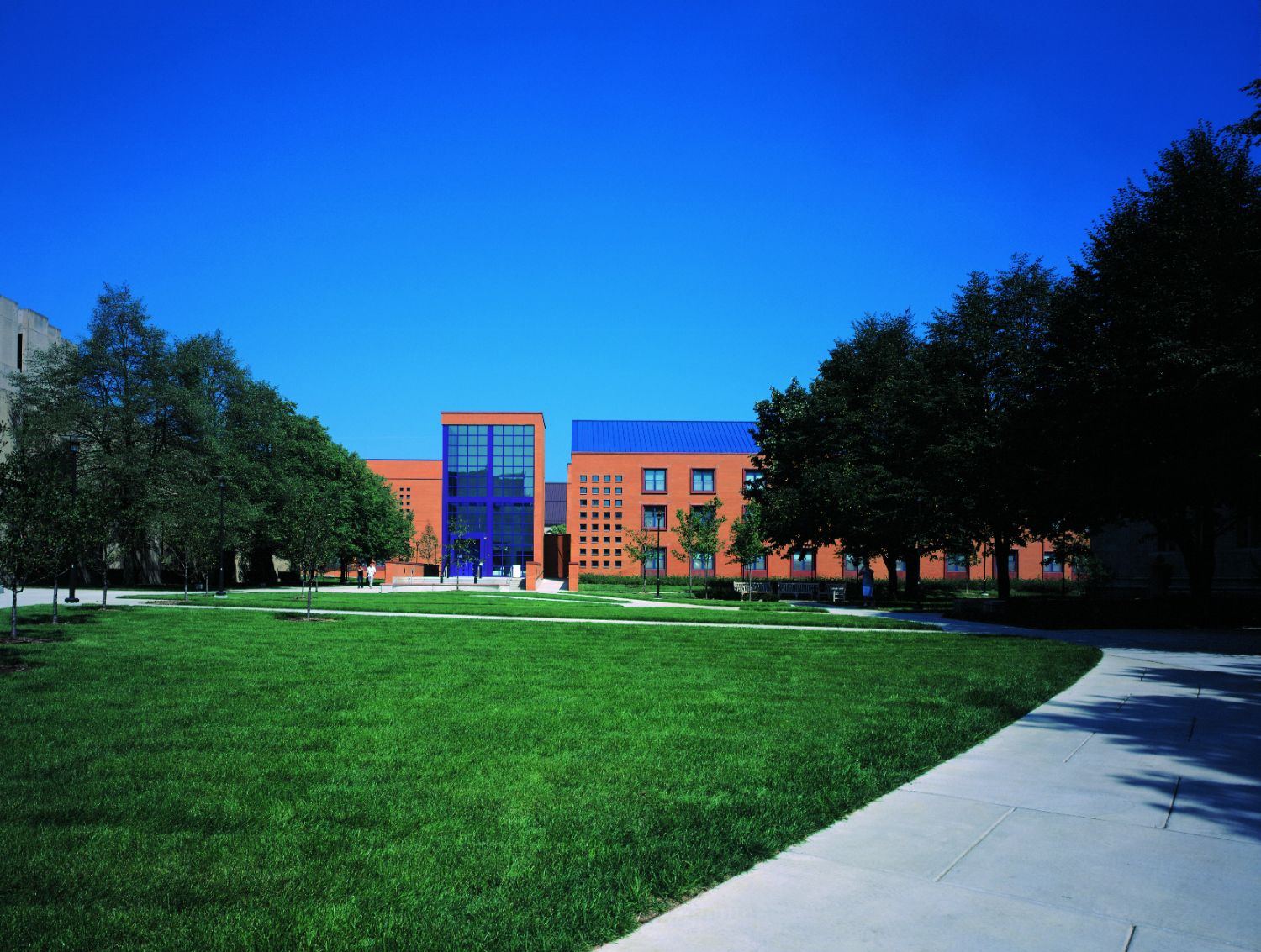
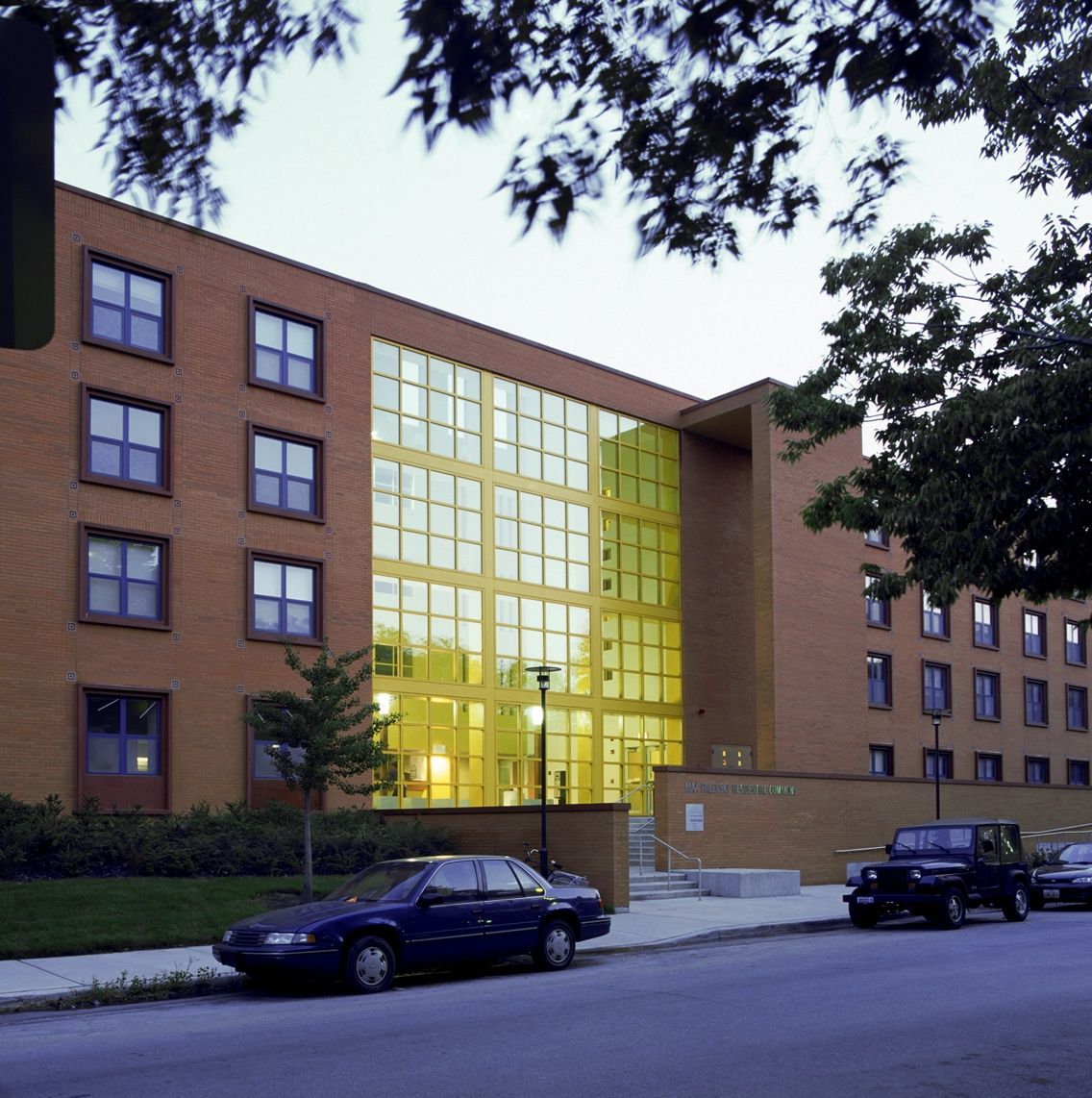
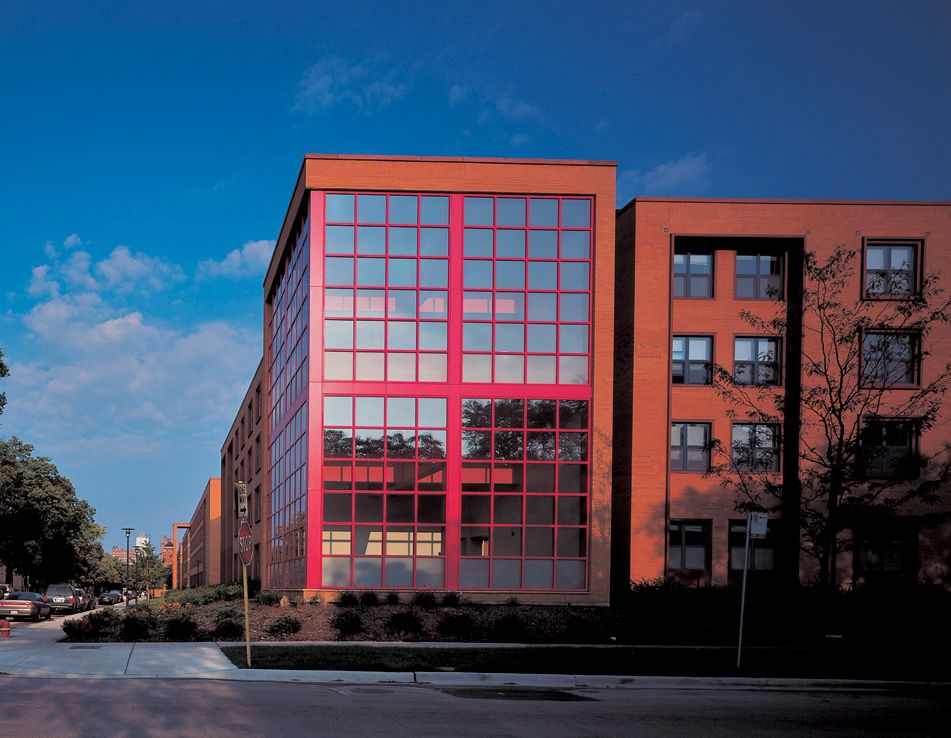
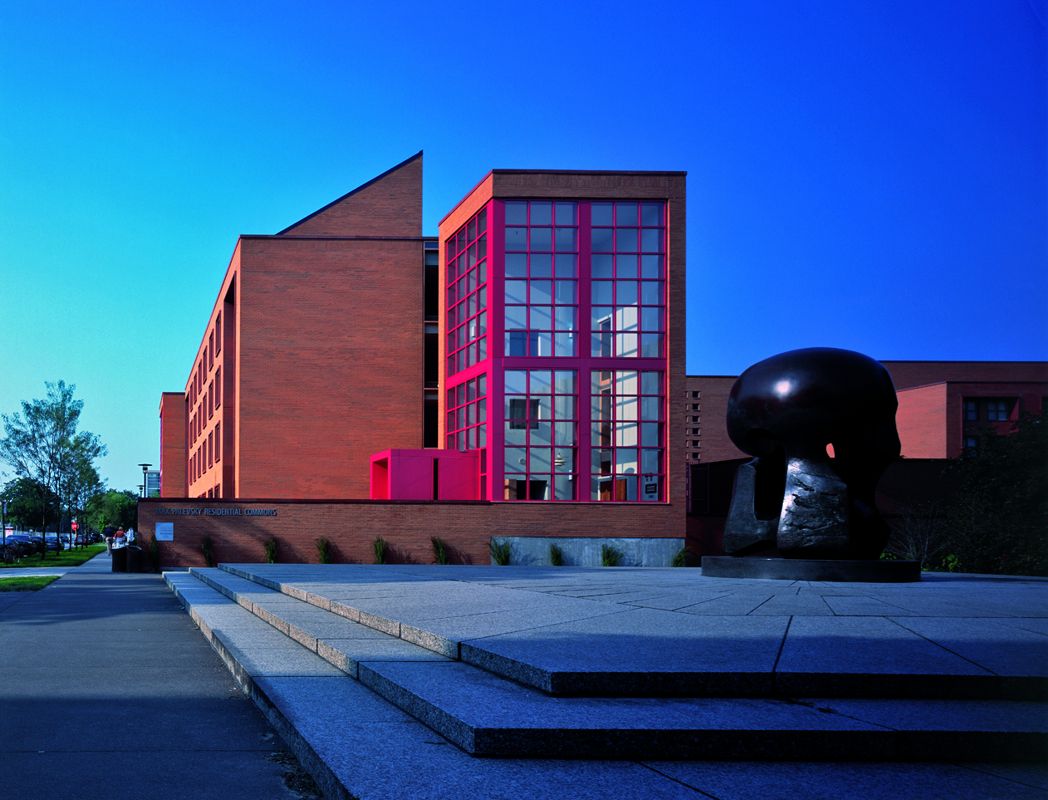
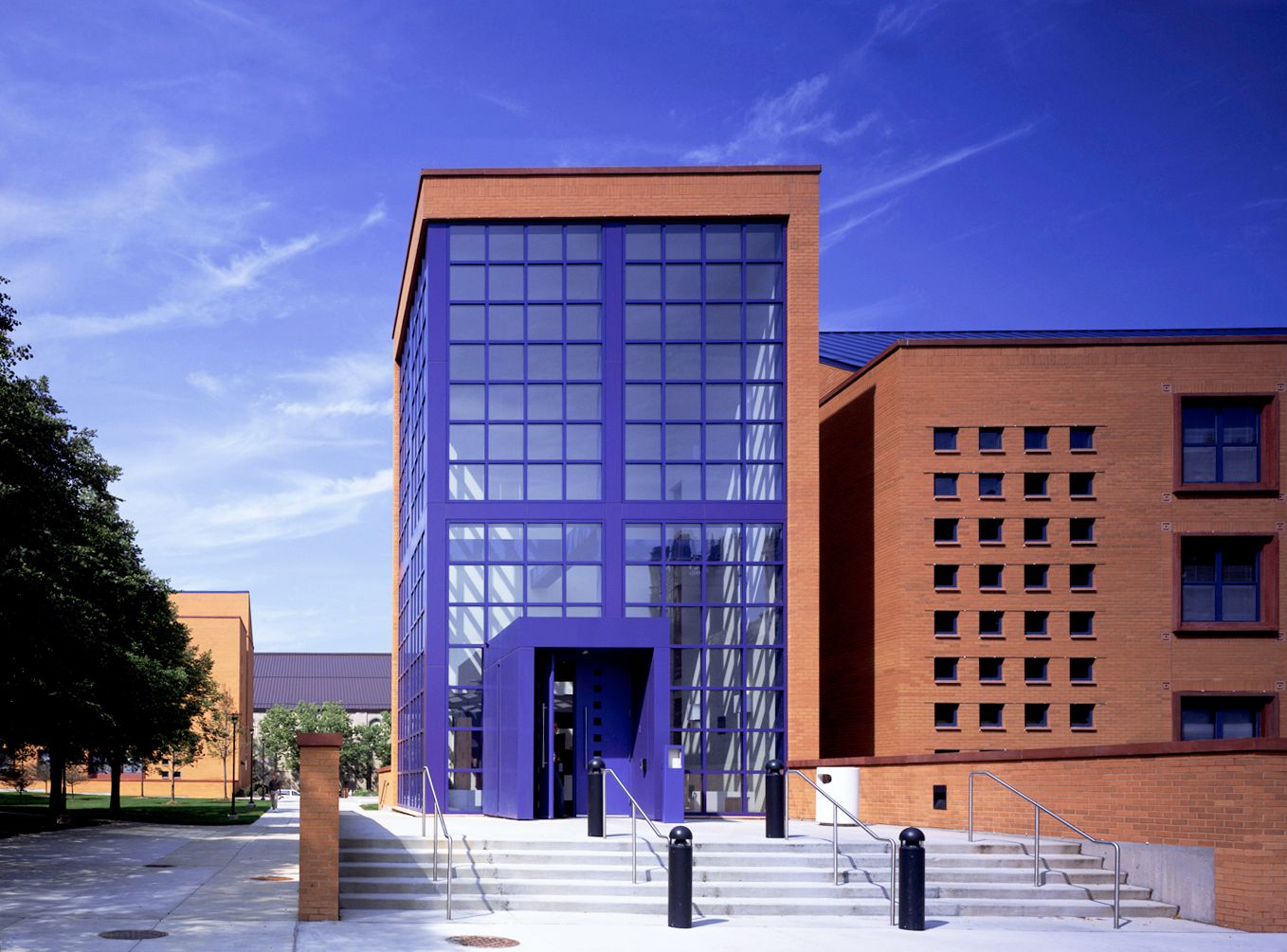
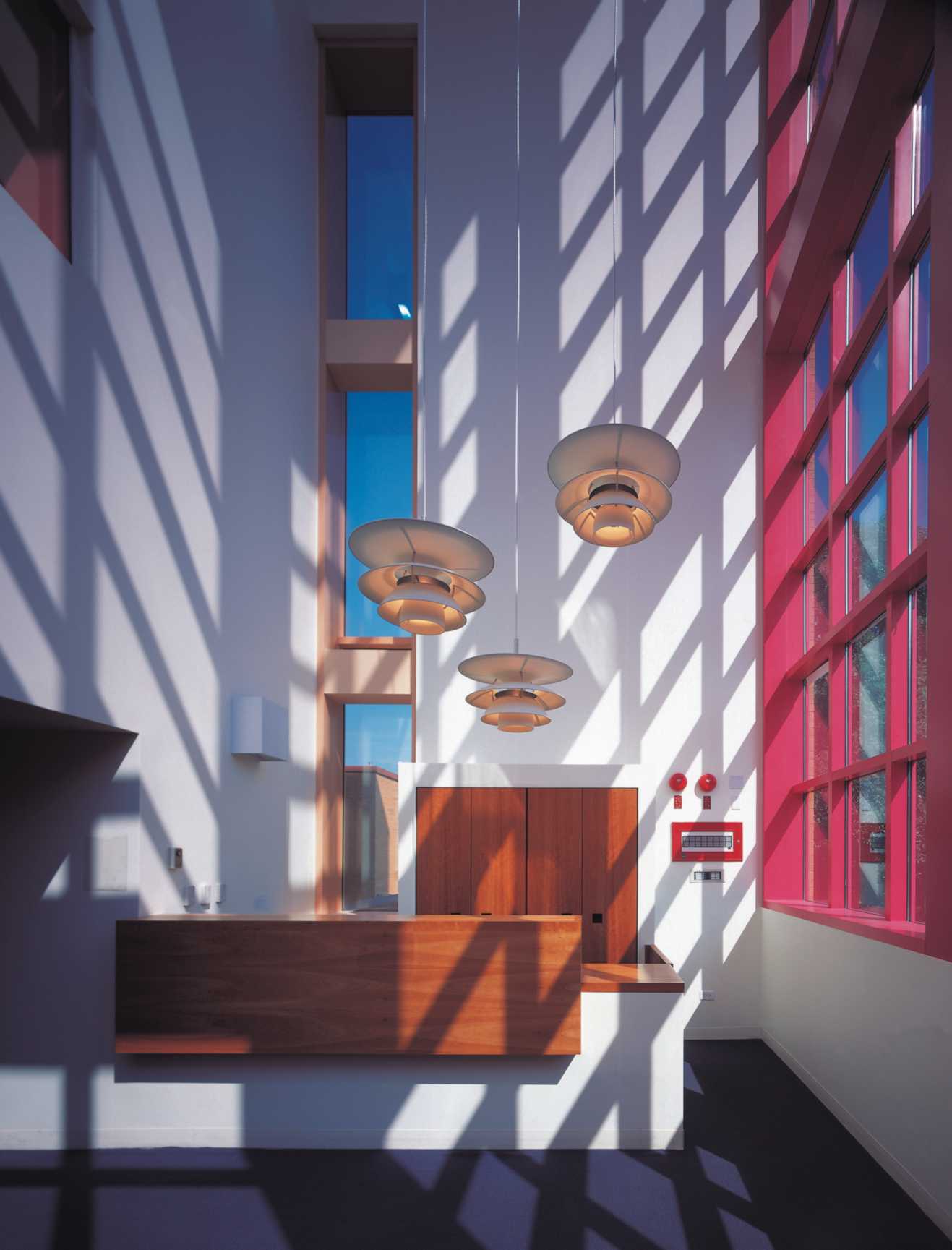
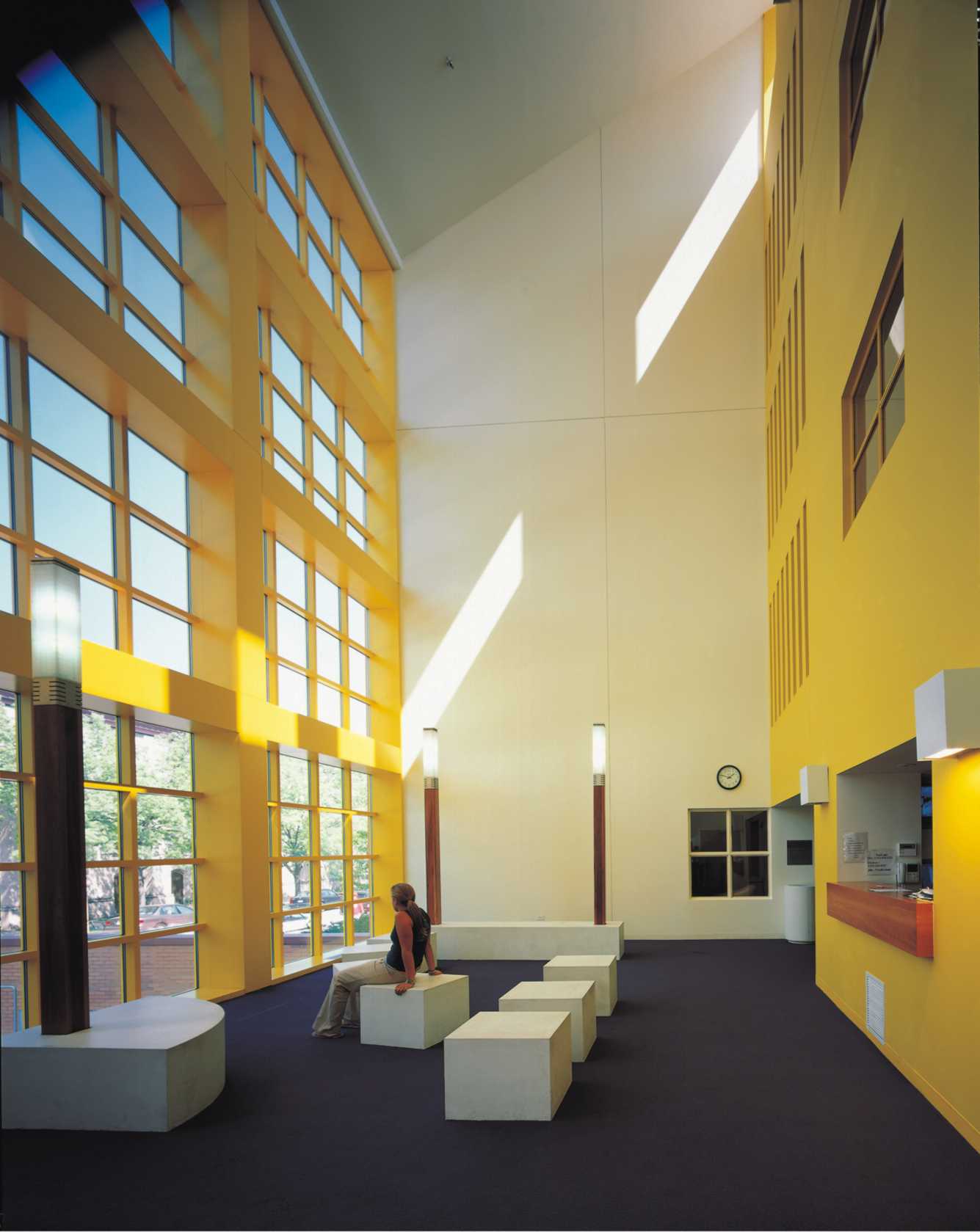
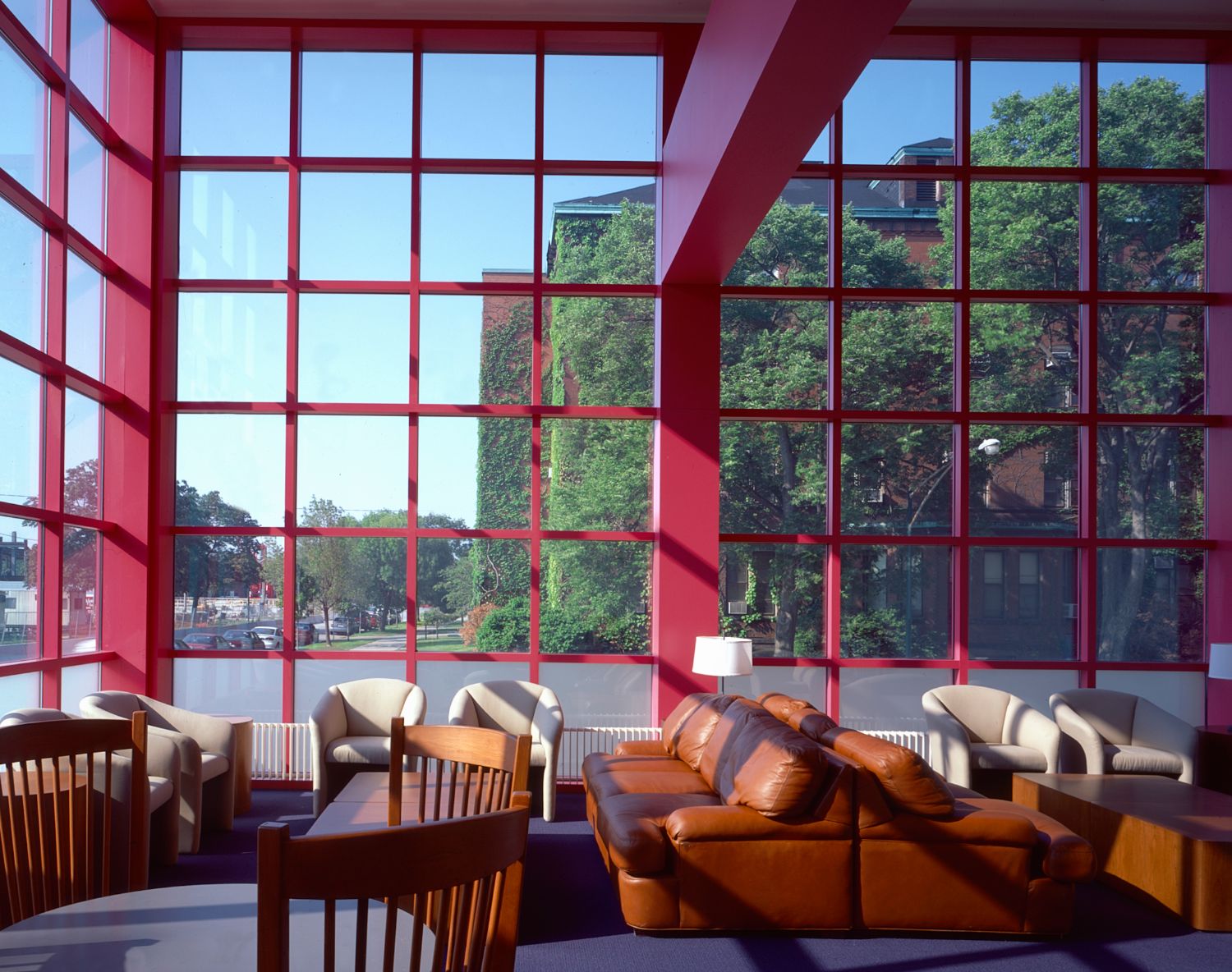
We designed a building strongly related in scale and materials to the old gothic buildings in the surroundings, but at the same time sought a contemporary solution. The challenge was urban and architectural. The concept lies in constructing the walkways and corners, creating an envelope around the library, in order to create a series of patios that are related scale wise to the old buildings. The result is a series of open spaces with different scales, which attract the attention toward the campus and which give a different character to the residential halls. The program was distributed in three main buildings, each one having a different personality. The one in the Northwestern corner has a closed atrium where we placed the main public areas. The large second one, contrasts with the different library volumes, which have their main entrance responding to the street axis. The third one, on the eastern side of the block, is placed around the main garden. We studied the entrances in accordance to the actual pedestrian circulation on campus, and related them to the future buildings of the campus. The Client had a program draft in regards of their necessities, but the challenge we faced in this particular project was achieving a first-class dormitory facility, with a very tight budget and a not very clear idea of what the University and the students really needed. From our first meeting with the University, we told them that we felt the budget was unrealistic, based on similar projects we had done recently. We started with the draft given by the Client but once we started with some conceptual ideas it came clear to all team members that the program was going to take shape during the design process. In regards to the timetable, the construction was finished on schedule, but the construction drawings where finished during the Construction Administration phase in order to be able to incorporate all the program & specs changes; the MEP engineer drawings were used as design built instead of GMP. The Project Delivery Method was based on a Guaranteed Maximum price by a Construction Manager based on Design Development drawings. The architectural and structural construction documents were delivered in multiple permits, bid and construction packages. The mechanical, electrical and plumbing documents were completed as Design Built from the design development set. It took 36 months to conclude the program, design & build the buildings.
RELATED NEWS